Turning compost piles is one of the most talked-about parts of composting, and one of the most misunderstood.
Some gardeners swear by turning every few days, while others barely touch their pile at all. So what’s the right approach?
Dual-Chamber Compost Tumbler – Makes turning as simple as rotating a drum

Do you dream of a bountiful harvest or a front yard full of vibrant flowers? This dual-chamber composter will help you produce a constant and abundant flow of the coveted compost. The tight seals keep out unwanted pests. Give your plants the nutrient-dense fertilizer they crave, and watch your garden bloom like never before!
The truth is, how often you turn your compost depends on your goals, your setup, and how quickly you want results.
Why Turning Compost Matters
One way to introduce oxygen into the compost pile is to turn it regularly.
Composting microbes need oxygen to break down organic material efficiently.
Without it, your compost can become compacted and anaerobic, leading to slow decomposition and unpleasant odors.
Turning also helps redistribute moisture and materials.
It moves decomposed matter partially from the outside into the hotter center, where it can break down faster.
This creates a more even, consistent compost over time.
How Often Should You Turn Compost?
There’s no one-size-fits-all answer, but here are general guidelines:
For fast (hot) composting: Turn every 3–7 days
For moderate composting: Turn every 1–2 weeks
For low-maintenance (cold) composting: Turn once a month or less
If your goal is quick compost, frequent turning helps maintain heat and speeds up the process.
If you prefer a more hands-off approach, turning less often still works; it just takes longer.
Signs Your Compost Needs Turning
Instead of sticking strictly to a schedule, many gardeners rely on visual and physical cues.
You may need to turn your compost if:
- It smells unpleasant or sour
- The pile feels too wet or compacted
- Decomposition seems slow
- The center is hot, but the outer layers are not breaking down
Turning at the right time helps restore balance and keeps the composting process moving.
When Not to Turn Compost
There are times when turning isn’t necessary, or even helpful.
In very cold weather, turning compost can release trapped heat, slowing the process.
During winter, it’s often best to leave the pile undisturbed until temperatures rise.
If your compost is already breaking down well and has a healthy, earthy smell, frequent turning may not be needed.
Overturning can sometimes dry out the pile or disrupt microbial activity.
Tools That Make Turning Easier
Turning compost doesn’t have to be hard work.
The right tools can make a big difference, especially for larger piles or regular maintenance.
Here are five product types that can help:
Compost Aerator Tool – Designed to mix and lift compost with minimal effort

This compost turner is crafted from sturdy steel with a free-spinning hardwood handle, allowing the user to aerate compost with ease and efficiency, and without strain.
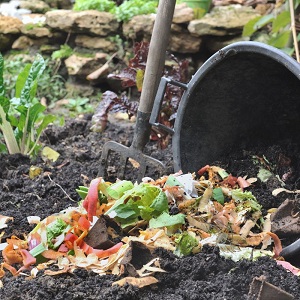
Garden Pitchfork or Compost Fork – Ideal for moving and mixing larger piles

The handle of the pitchfork features an ergonomic Y-shaped grip, with a 45 ° curve that aligns with the hand's natural curve and is more comfortable to use.
Compost Thermometer – Helps track temperature and decide when turning is needed
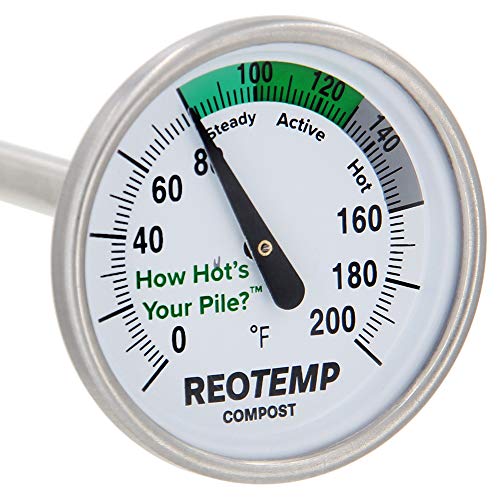
Expert instructions on how to get started composting and managing your compost pile for the most efficient compost production.
Heavy-Duty Garden Gloves – Protect your hands during turning and mixing

These heavy-duty gloves are made of 100% split cowhide leather and 100% cotton lining, which makes them highly abrasion-resistant, puncture-resistant, high-temperature-resistant, cut-resistant, highly flexible, and comfortable.
Finding the Right Balance
Turning compost is about balance, not perfection.
You don’t need a strict schedule to succeed, just pay attention to your compost pile and adjust as needed.
Whether you turn it weekly or once a month, the key is maintaining airflow, moisture, and a good mix of materials.
With a little observation and the right tools, you’ll find a rhythm that works for your garden, and turn your compost into rich, healthy soil over time.