Composting is one of the easiest ways to reduce waste and improve your garden, but there are many common composting myths.
These myths can make composting seem complicated, messy, or even risky.
Compost Tumbler – Makes turning compost quick and effortless

Do you dream of a bountiful harvest or a front yard full of vibrant flowers? This dual-chamber composter will help you produce a constant and abundant flow of the coveted compost. The tight seals keep out unwanted pests. Give your plants the nutrient-dense fertilizer they crave, and watch your garden bloom like never before!
The truth is, composting is simple when you understand how it really works.
Let’s break down some of the most common composting myths and set the record straight.
Myth #1: Composting Always Smells Bad
A properly managed compost pile should smell earthy, like fresh soil, not rotten.
Bad odors usually mean the pile is too wet or has too many “green” materials like food scraps.
Adding more “brown” materials, such as dry leaves, cardboard, or paper, helps balance the pile and eliminate smells.
Turning the compost regularly also improves airflow and prevents odor-causing conditions.
Myth #2: You Need a Fancy Compost Bin
While compost bins can be helpful, they’re not required.
Many gardeners successfully compost using simple piles, DIY bins, or trench composting.
That said, enclosed compost bins or tumblers can make the process cleaner, faster, and more pest-resistant, especially in small spaces or urban settings.
Myth #3: Composting Takes Too Long
It’s true that composting isn’t instant, but it doesn’t have to take forever.
With proper balance, moisture, and regular turning, compost can be ready in a few months.
Even slower composting methods are still effective.
The key is consistency, not speed. Nature will do the work as long as conditions are right.
Myth #4: You Can Compost Anything Organic
Not all organic materials belong in your compost.
While fruit and vegetable scraps, coffee grounds, and yard waste are ideal, items like meat, dairy, oils, and processed foods can cause problems.
These materials may attract pests, create odors, or slow down decomposition.
Sticking to compost-friendly materials keeps your pile healthy and efficient.
Myth #5: Composting Is Too Complicated for Beginners
Many people avoid composting because they think it’s difficult to manage.
In reality, composting is very forgiving.
Even if conditions aren’t perfect, organic materials will still break down over time.
Starting small, learning basic balance (greens and browns), and making simple adjustments is all it takes to succeed.
Five Amazon Products That Make Composting Easier
If you want to simplify composting and avoid common mistakes, these tools can help:
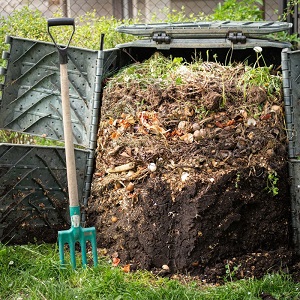
Outdoor Compost Bin – Keeps compost contained and organized

The compost bin is made of high-quality, durable PP material that is environmentally safe and can withstand cold winters, making it perfect for gardens, farmland, and yards. The compost barrel has 12 vents on each side, which provide good air circulation for composting, greatly improving efficiency.
Compost Aerator Tool – Improves airflow and speeds decomposition

This compost turner is crafted from sturdy steel with a free-spinning hardwood handle, allowing the user to aerate compost with ease and efficiency, and without strain.
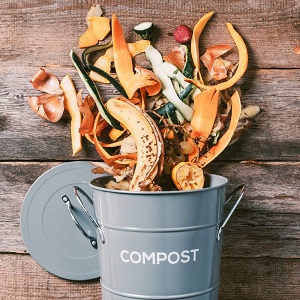
Kitchen Compost Container – Conveniently collects food scraps indoors

This countertop compost bin for kitchen waste makes composting food scraps easier and more convenient. Sturdy, easy to clean, and lightweight, they feature a tight-sealing lid that helps keep odors in and bugs out. Available in four colors.
Compost Thermometer – Helps monitor compost activity and temperature
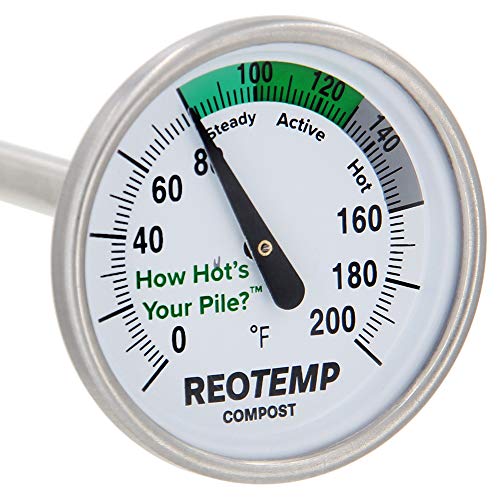
Expert instructions on how to get started composting and managing your compost pile for the most efficient compost production.
These tools aren’t required, but they can make composting more efficient and beginner-friendly.
Composting Is Simpler Than You Think
Once you move past the myths, composting becomes much less intimidating.
It doesn’t have to be perfect; it just needs a balance of materials, some airflow, and a little patience.
By understanding what really works and what doesn’t, you can compost with confidence and turn everyday waste into valuable, nutrient-rich soil for your garden.