Compost paper, cardboard, and newspaper materials can be a valuable source of carbon, helping create healthier, more balanced compost for your garden.
Many gardeners wonder whether everyday household paper products belong in the compost pile.
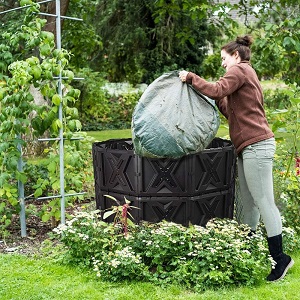
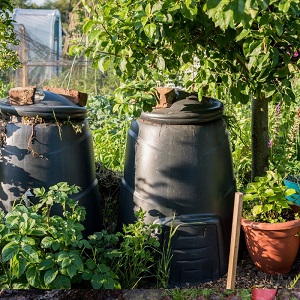
Outdoor Compost Bin – Keeps compost contained and organized.
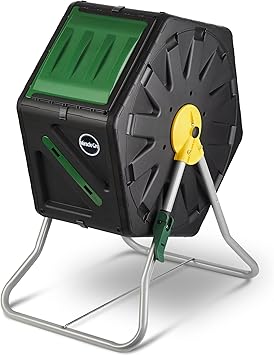
Achieve all of your garden goals with Miracle-Gro’s large 18.5-gallon (70 L) single-chamber rolling compost tumbler!
The good news is that paper, cardboard, and newspaper can often be composted and can actually play an important role in creating healthy compost.
These materials are rich in carbon, which helps balance nitrogen-heavy food scraps and keeps compost piles working efficiently.
Knowing which paper products are safe to compost—and how to prepare them properly—can help you reduce waste while improving your compost results.
Why Paper Products Help Compost
Successful composting depends on balancing “greens” and “browns.”
Greens include kitchen scraps, coffee grounds, and fresh grass clippings, which provide nitrogen.
Browns include dry leaves, straw, and paper-based materials, which provide carbon.
Paper, cardboard, and newspaper are valuable browns because they help absorb moisture, reduce odors, and improve airflow inside the pile.
If your compost becomes too wet or starts to smell unpleasant, adding shredded paper or torn cardboard can help restore balance.
What Paper Can You Compost?
Many common paper items are compost-friendly, especially when shredded or torn into smaller pieces.
Good options include:
- Plain newspaper (black-and-white or soy-based ink)
- Cardboard boxes without glossy coatings
- Paper towels that were used with water or food residue
- Brown paper bags
- Office paper in small amounts
- Egg cartons made from cardboard
Breaking these materials into smaller pieces helps them decompose more quickly and prevents matting in the compost pile.
What Paper Should You Avoid?
Not every paper product is ideal for composting. Some materials contain coatings, adhesives, or chemicals that are better kept out of the pile.
Avoid composting:
- Glossy magazines or catalogs
- Wax-coated cardboard
- Plastic-lined paper cups
- Heavily colored or laminated paper
- Thermal receipt paper
- Cardboard with excessive tape or labels
If you’re unsure, it’s best to recycle the item rather than compost it.
How to Compost Cardboard Properly
Cardboard can be one of the best compost ingredients when prepared correctly.
Tear or shred boxes into strips or small squares before adding them to the pile.
This increases surface area and helps moisture penetrate the material.
Mix cardboard with kitchen scraps, grass clippings, or other green materials. Large dry sheets of cardboard can block airflow, so layering and shredding are important.
Many gardeners use cardboard especially well during wet seasons, as it absorbs excess moisture and helps prevent soggy compost.
How Newspapers Work in Compost
Newspapers are useful when shredded into strips.
It helps lighten dense compost piles and adds dry carbon material.
Modern newspaper inks are generally safer than older ones, but plain black-and-white pages remain the safest choice.
Avoid adding thick stacks of newspaper at once. Thin layers or shredded portions work much better.
Products for Composting Paper and Cardboard
Here are five Amazon product types that make composting paper materials easier:
Paper Shredder – Quickly shreds newspaper and office paper for compost use.

The BONSEN 14-Sheet Paper Shredder can shred newspapers. It's designed to handle standard paper, including newspapers, and can shred up to 14 sheets at a time with its cross-cut mechanism. The machine also handles credit cards, CDs, and staples, making it quite versatile.
Heavy-Duty Cardboard Cutter – Helps break down boxes safely.

From paper to plastic, the fabric, plastic packages, leather, and cardboard, the cutter’s rotating blade can cut through materials up to ¼” thick.
Compost Aerator Tool – Prevents paper materials from compacting.

This compost turner is crafted from sturdy steel with a free-spinning hardwood handle, allowing the user to aerate compost with ease and efficiency, and without strain.
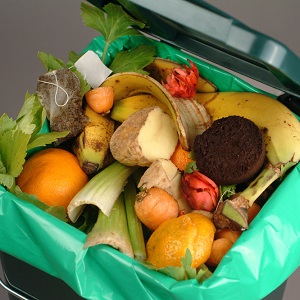
Kitchen Scrap Compost Container – Balances paper browns with food greens.
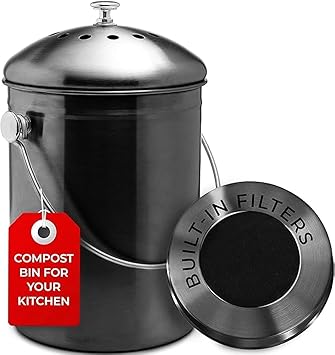
The bin can compost both paper and food scraps together. It's designed as a collection container for organic kitchen waste before you transfer it to a larger outdoor compost bin or garden. The bin works best for: fruit and vegetable peels, coffee grounds and filters, egg shells, and shredded paper and cardboard.
These tools can make using household paper waste more efficient and manageable.
Reduce Waste and Build Better Compost
So, can you compost paper, cardboard, and newspaper? In many cases, yes.
These materials are excellent carbon sources that help balance moisture, reduce smells, and improve compost texture.
By choosing safe paper products and preparing them properly, you can turn common household waste into valuable compost while sending less to the landfill.
It’s a simple step that benefits both your garden and the environment.