Do you want to understand the difference between composting and fertilizer?
If you’ve ever wondered whether you should use compost or fertilizer in your garden, you’re not alone.
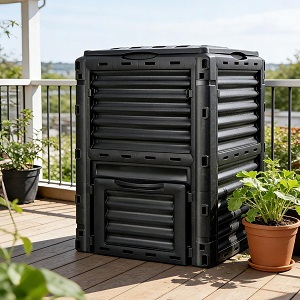
Dual-Chamber Compost Tumbler – Speeds up compost production at home

Do you dream of a bountiful harvest or a front yard full of vibrant flowers? This dual-chamber composter will help you produce a constant and abundant flow of the coveted compost. The tight seals keep out unwanted pests. Give your plants the nutrient-dense fertilizer they crave, and watch your garden bloom like never before!
Both play important roles in plant health, but they work in very different ways.
Understanding the difference between compost and fertilizer can help you make better choices for your vegetable garden, flower beds, or lawn.
What Is Compost?
Compost is decomposed organic matter made from materials like kitchen scraps, leaves, and yard waste.
Over time, these materials break down into a nutrient-rich soil amendment often called “black gold.”
Compost improves soil structure, moisture retention, and microbial life.
It doesn’t just feed plants, it feeds the soil. Healthy soil, in turn, supports stronger, more resilient plants.
Unlike quick solutions, compost works gradually.
It releases nutrients slowly and builds long-term soil health, making it ideal for gardeners focused on sustainability.
What Is Fertilizer?
Fertilizer is designed to provide plants with specific nutrients, usually nitrogen (N), phosphorus (P), and potassium (K).
These nutrients are essential for plant growth, flowering, and fruit production.
Fertilizers can be organic or synthetic.
Synthetic fertilizers act quickly and deliver immediate nutrients to plants, while organic fertilizers release nutrients more slowly.
However, fertilizers primarily feed the plant—not the soil.
Over time, relying only on fertilizer can lead to depleted soil structure and reduced microbial activity.
Key Differences Between Compost and Fertilizer
The main difference comes down to purpose and timing:
- Compost improves soil health and structure over time
- Fertilizer provides immediate nutrients for plant growth
Compost enhances water retention and soil aeration, while fertilizer boosts specific plant functions, such as leaf growth or flowering.
Another key difference is sustainability. Compost recycles organic waste and builds soil naturally, while fertilizers, especially synthetic ones, may need to be reapplied regularly.
When to Use Compost
Compost is best used when you want to:
- Improve soil quality before planting
- Increase organic matter in garden beds
- Support long-term plant health
- Reduce the need for chemical inputs
Mix compost into soil at the start of the season or use it as a top dressing to maintain soil fertility.
When to Use Fertilizer
Fertilizer is useful when plants need a quick nutrient boost, such as:
- During rapid growth periods
- When plants show signs of nutrient deficiency
- For flowering and fruiting crops that need extra support
Using fertilizer strategically can improve yields, especially when combined with healthy soil practices.
Using Compost and Fertilizer Together
Many gardeners find the best results by using both compost and fertilizer together.
Compost builds a strong soil foundation, while fertilizer provides targeted nutrients when needed.
This balanced approach supports both immediate plant growth and long-term soil health, creating a more productive and sustainable garden.
Five Helpful Amazon Products for Composting and Fertilizing
Here are product types that can help you manage both compost and fertilizer effectively:
Outdoor Compost Bin – Stores and processes organic waste
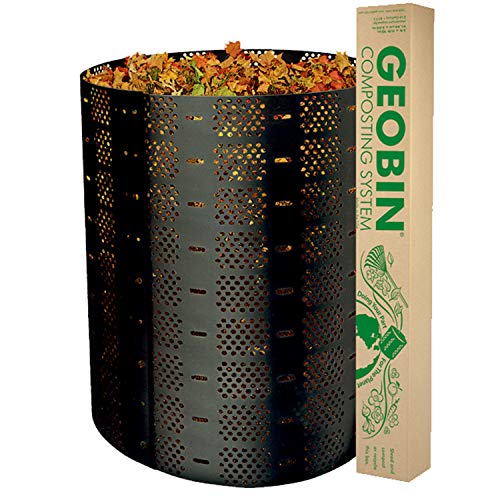
With the Geobin Composter, you’re ready to start in just a few simple steps. Learn how this composting system handles a wide range of organic material to give you rich compost faster. Available in black, tan and green colors.
Organic Fertilizer (All-Purpose Plant Food) – Provides essential nutrients for growth
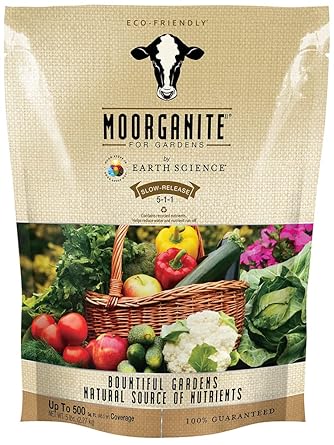
Moorganite from Earth Science helps create lush, green lawns and bountiful gardens! Turn your landscape into a dreamscape with Moorganite in your lawn and garden care routine.
Compost Spreader Roller – Evenly distributes compost across the soil
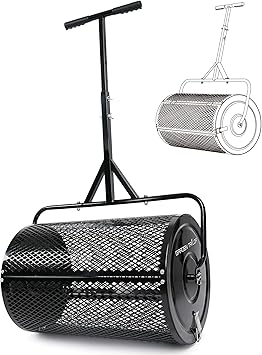
The compost spreader reduces top dressing time by 75%, cuts compost use by 30%, and eases back strain compared to traditional methods. Ensures even distribution of compost, manure, dirt, and topsoil for vibrant lawns.
Soil Test Kit – Helps determine nutrient levels and fertilizer needs

Quick, at-home results for Soil pH, Nitrogen, Phosphorus, and Potash. Innovative and inexpensive soil test kit features an easy-to-use capsule system and patented color comparators.
Building a Healthier Garden Naturally
Compost and fertilizer aren’t competitors; they’re complementary tools.
Compost strengthens the soil from the ground up, while fertilizer gives plants the nutrients they need at key stages.
By understanding when and how to use each, you can create a healthier, more productive garden that thrives season after season.