Composting is one of the best things you can do for your garden, but if not managed properly, it can attract unwanted visitors, such as rodents and flies.
The good news is that compost pests are usually a sign of an imbalance that can be easily fixed.
Rodent-Resistant Compost Bin with Lid – Keeps animals out while allowing airflow

Do you dream of a bountiful harvest or a front yard full of vibrant flowers? This dual-chamber composter will help you produce a constant and abundant flow of the coveted compost. The tight seals keep out unwanted pests. Give your plants the nutrient-dense fertilizer they crave, and watch your garden bloom like never before!
With a few simple adjustments, you can keep your compost pile healthy, odor-free, and pest-resistant.
Why Compost Attracts Pests
Rodents and flies are drawn to compost when it contains the wrong materials or is left exposed.
Food scraps, such as meat, dairy, and greasy foods, are especially attractive to pests.
Open piles without proper covering also make it easy for animals to access the compost.
Flies are often attracted to moist, exposed kitchen scraps, while rodents look for easy food sources and shelter.
Understanding what attracts them is the first step in preventing infestations.
Avoid Adding Problem Foods
One of the most effective ways to prevent pests is to be mindful of what you add to your compost.
Avoid composting meat, fish, dairy products, oils, and heavily processed foods.
These items decompose slowly and produce strong odors that attract pests.
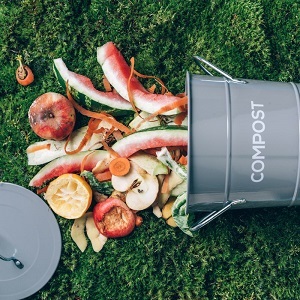
Stick to fruit and vegetable scraps, coffee grounds, eggshells, and yard waste.
These materials break down more efficiently and are less appealing to rodents and flies.
Bury and Cover Food Scraps
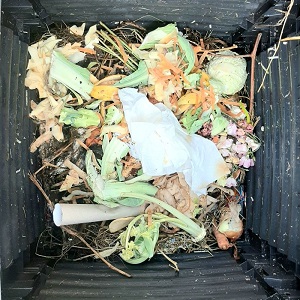
Always bury kitchen scraps in the center of your compost pile rather than leaving them on the surface.
Covering food waste with a layer of “brown” materials, such as dry leaves, shredded paper, or straw, helps mask odors and makes the pile less attractive to pests.
This simple habit not only deters animals but also improves compost balance and speeds up decomposition.
Maintain Proper Moisture and Airflow
A compost pile that is too wet or compacted can create odors, which attract flies and rodents.
Compost should feel like a damp sponge, not soggy.
If it becomes too wet, add more dry brown materials to absorb excess moisture.
Turning the pile regularly improves airflow and prevents anaerobic conditions that lead to foul smells.
Better aeration means fewer pests and faster composting.
Use a Secure Compost Bin
If pests are a recurring issue, upgrading your compost setup can make a big difference.
Enclosed compost bins with secure lids help keep rodents out while still allowing proper airflow.
Some bins are designed with pest-resistant features, such as locking lids and ventilation panels.
For added protection, place your compost bin on a solid surface or use wire mesh beneath it to prevent burrowing animals from gaining access.
Amazon Products to Help Prevent Compost Pests
Here are five Amazon product types that can help keep rodents and flies away from your compost:
Compost Aerator Tool – Improves airflow and reduces odor buildup

This compost turner is crafted from sturdy steel with a free-spinning hardwood handle, allowing the user to aerate compost with ease and efficiency, and without strain.
Compost Cover – Protects compost from rain and exposure

These compost bags can hold up to 80 gallons of compost, grass clippings, and fallen leaves. Equipped with plastic strips to keep the compost bags upright. A sealing zipper helps maintain internal temperature and humidity.
Keep Your Compost Healthy and Pest-Free
Preventing compost pests comes down to balance and consistency.
By avoiding problem foods, covering scraps, maintaining airflow, and using the right tools, you can keep your compost working efficiently without attracting unwanted visitors.
A well-managed compost pile should smell earthy, not unpleasant, and with these simple strategies, you’ll enjoy all the benefits of composting without the hassle of pests.