As a gardener, you might want to compare mulch vs compost to get the best out of your garden.
Gardeners often hear about the benefits of both mulch and compost, but many people aren’t sure when to use one over the other.
Compost Spreader Roller – Evenly distributes compost across garden beds

This compost spreader is made of powder-coated steel, which is corrosion- and rust-proof, ensuring long-lasting use. It features a 24" steel basket, making it more time-saving and labor-saving than the traditional method, spreading your needed soil in no time.
While both improve soil health and plant growth, they serve different purposes in the garden.
Understanding the differences between mulch and compost can help you make better decisions for your vegetable beds, flower gardens, and landscaping.
What Is Compost?
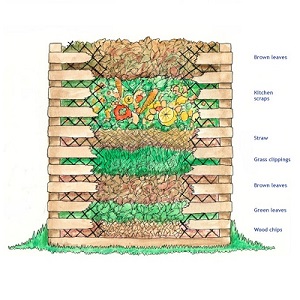
Compost is decomposed organic material made from food scraps, yard waste, leaves, and other natural materials.
Through the composting process, microbes break these materials down into a rich, dark soil amendment often called “black gold.”
Compost is primarily used to improve soil fertility and structure.
It adds nutrients such as nitrogen, phosphorus, and potassium while also promoting beneficial microorganisms that support plant growth.
Gardeners typically mix compost directly into the soil before planting or use it as a top dressing around plants.
Because compost improves soil health from the inside, it’s an essential ingredient for vegetable gardens, raised beds, and container gardening.
What Is Mulch?
Mulch is a protective layer of material placed on top of the soil surface rather than mixed into it.
Mulch can be organic—such as wood chips, straw, or shredded leaves—or inorganic, like gravel or landscape fabric.
The main purpose of mulch is to protect the soil and regulate soil temperature and moisture.
Mulch helps retain moisture, suppresses weeds, and regulates soil temperature. It also prevents soil erosion and reduces water evaporation during hot weather.
Organic mulches slowly break down over time and eventually contribute organic matter to the soil, though their primary role is protection rather than direct plant feeding.
When to Use Compost
Compost is best used to improve soil quality and fertility. Common situations include:
- Preparing garden beds before planting vegetables
- Improving poor or compacted soil
- Adding nutrients to raised beds
- Revitalizing soil between growing seasons
Mixing compost into the top few inches of soil gives plant roots immediate access to nutrients and beneficial microbes.
When to Use Mulch
Mulch is ideal when your goal is to protect soil and maintain moisture. Use mulch for:
- Preventing weeds in garden beds
- Keeping soil cool in summer and warmer in winter
- Retaining moisture during dry weather
- Protecting soil from erosion and heavy rain
Applying a 2–4 inch layer of mulch around plants creates a barrier that helps maintain stable growing conditions.
Using Mulch and Compost Together
Many gardeners achieve the best results by combining compost and mulch.
First, mix compost into the soil to improve fertility.
Then apply mulch on the soil surface to protect the improved soil and retain nutrients.
This layered approach creates a healthy growing environment where plants receive nutrients below the surface while benefiting from moisture retention and weed control above it.
Five Helpful Amazon Products for Mulch and Compost Gardening
Here are five Amazon products that make working with compost and mulch easier:
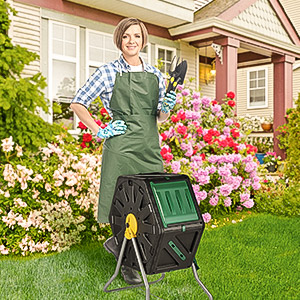
Dual-Chamber Compost Tumbler – Produces homemade compost more efficiently

Do you dream of a bountiful harvest or a front yard full of vibrant flowers? This dual-chamber composter will help you produce a constant and abundant flow of the coveted compost. The tight seals keep out unwanted pests. Give your plants the nutrient-dense fertilizer they crave, and watch your garden bloom like never before!
Heavy-Duty Garden Fork – Ideal for mixing compost into soil
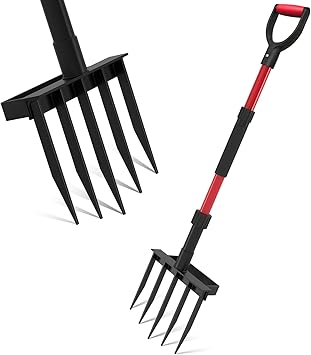
This heavy-duty gardening pitchfork is designed to easily dig through and cut through compacted soil. It features a tempered steel fork head and a fiberglass handle with a D-grip.
Garden Wheelbarrow – Makes transporting mulch and compost easier

With a load tray capacity of five cubic feet, this wheelbarrow is ideal for moving larger quantities of various materials such as gravel, mulch, compost, branches, or shrubs.
Mulch Fork or Pitchfork – Helps spread mulch quickly and evenly

The handle of the pitchfork features an ergonomic Y-shaped grip, with a 45 ° curve that aligns with the hand's natural curve and is more comfortable to use.
Building Healthier Soil for Better Gardens
Mulch and compost are two of the most powerful tools a gardener can use to improve plant health naturally.
Compost feeds the soil and strengthens plant roots, while mulch protects the soil surface and preserves moisture.
By understanding when to use each and how they work together, you can create a healthier garden ecosystem that supports strong plant growth, reduces maintenance, and improves harvests season after season.