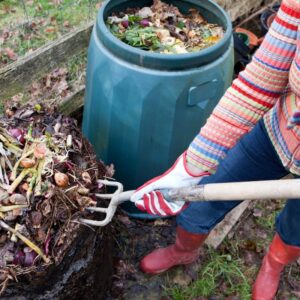
 Is winter composting possible? Winter may slow your garden down, but it doesn’t mean composting has to stop.
While cold temperatures reduce microbial activity, composting can continue with the right expectations and a few smart adjustments.
Understanding what works during winter helps you keep organic waste out of landfills and set your garden up for success in spring.
Table of Contents
Why Composting Slows Down in Winter
Composting relies on heat, moisture, and microorganisms. When temperatures drop, microbial activity slows, especially in cold or frozen piles.
This doesn’t mean your compost is failing—it’s simply resting.
Materials will break down more slowly, then resume decomposing once warmer weather returns.
What Still Works Well in Cold Weather
Even in winter, you can continue adding materials to your compost pile.
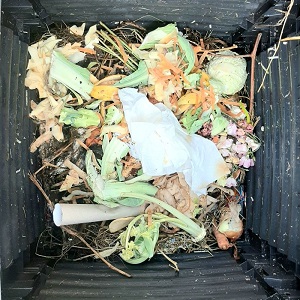
Kitchen scraps like vegetable peels, coffee grounds, tea bags, and crushed eggshells can still be composted.
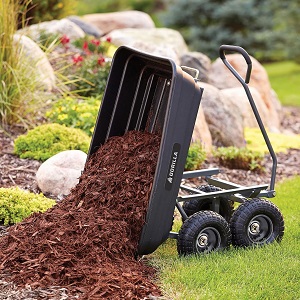
Dry “brown” materials such as shredded cardboard, newspaper, and fall leaves are especially useful in winter to balance moisture and reduce odors.
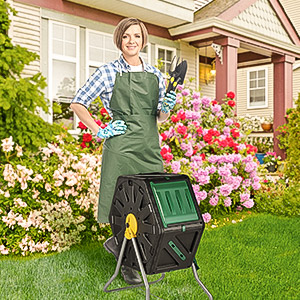
Compost tumblers are particularly effective during winter because their enclosed design retains more heat than open piles.
Many gardeners also find insulated compost bins helpful for maintaining internal warmth.
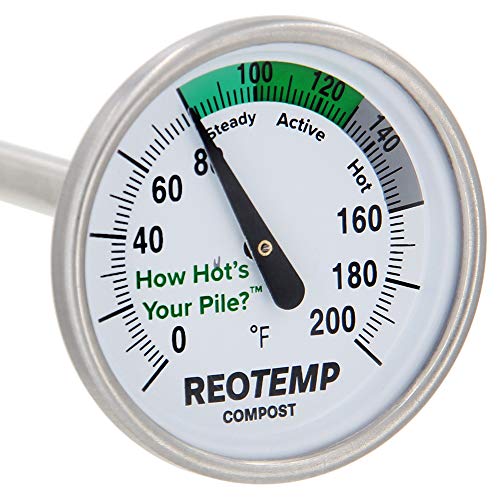
A compost thermometer can help you monitor activity without guesswork.
Expert instructions on how to get started composting and managing your compost pile for the most efficient compost production.
How to Manage Moisture and Odors
Winter compost piles can become too wet due to snow and rain. Excess moisture limits airflow and slows decomposition.
If possible, keep your bin covered or sheltered. Add extra brown materials regularly to absorb moisture and reduce smells.
Avoid turning the pile too often during freezing temperatures, as this releases trapped heat. Instead, turn it lightly on warmer winter days when temperatures rise above freezing.
Indoor and Small-Space Winter Composting Options
For those in cold climates or apartments, indoor composting methods work exceptionally well during winter.
Countertop kitchen compost containers make it easy to collect scraps daily.
These scraps can be stored in a sealed container or freezer and added to an outdoor pile later.
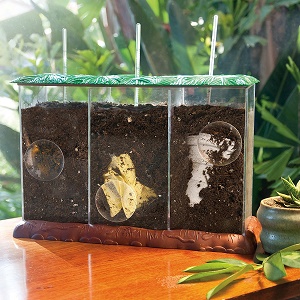
Vermicomposting, or worm composting, is another winter-friendly option when kept indoors.
Worm bins remain active year-round and produce nutrient-rich compost, making them ideal for gardeners who want continuous results.

Integrated strainer prevents wet, leaky trash from entering your kitchen, keeping your kitchen clean and odor-free. Features a stay-open lid, removable lid, and easy-carry handle for quick, mess-free emptying.
What to Avoid Composting in Winter
Avoid adding large amounts of food scraps all at once, especially meat, dairy, or oily foods, as these can cause odors when decomposition slows.
Large woody branches should also be saved for spring when microbial activity increases.
Winter Composting Is About Progress, Not Speed
Winter composting is less about fast results and more about consistency.
By continuing to add balanced materials and managing moisture, you’re building a compost pile that will wake up quickly in spring.
With the right tools—such as a durable compost bin, a reliable compost tumbler, or a simple kitchen caddy—you can keep composting successfully year-round.