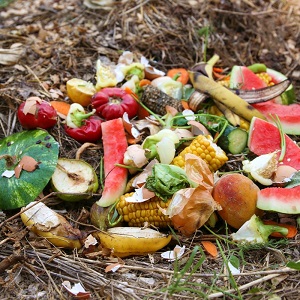
 If you’re looking for a low-maintenance way to recycle organic waste and improve soil directly where you grow food, trench composting for vegetable gardens might be your new favorite technique.
This method involves burying kitchen scraps and garden waste in trenches right in your vegetable beds — no bins, turning, or bulky piles required.
Trench composting is especially appealing for vegetable gardens because it feeds your plants where they need it most while minimizing space, odors, and wildlife issues.
Table of Contents
What Is Trench Composting?
Trench composting is exactly what it sounds like: digging a shallow trench in your garden and burying compostable organic material in it.
As these materials break down over time, they enrich the surrounding soil, improving its texture and nutrient content.
Unlike traditional compost piles, the buried scraps are out of sight, out of smell, and directly deliver nutrition to plant roots.
This makes trench composting both efficient and discreet, perfect for small or heavily used garden spaces.
How to Trench Compost in Your Vegetable Garden
Start by selecting a section of your vegetable bed that’s not currently planted, or choose an area between planting rows.
Dig a trench about 6–12 inches deep and wide enough to accommodate kitchen waste.
Add a balanced mix of materials, “greens” like vegetable scraps and coffee grounds mixed with “browns” like shredded leaves or paper, then cover them with the soil you removed.
As the season progresses, those buried scraps will slowly break down and feed the plants above.
You can trench compost throughout the growing season, as long as you rotate where you dig to avoid disturbing the roots of active plants.
Benefits of Trench Composting
One of the biggest advantages of trench composting is that it requires minimal effort.
Unlike raised compost systems that require turning or monitoring temperature and moisture, trench composting lets nature do the work underground.
It also helps improve soil structure, increases microbial activity in the root zone, and reduces the need for external fertilizer.
Because materials are buried, there’s little risk of attracting pests or creating unpleasant odors.
When and What to Trench Compost
Almost any vegetable kitchen waste can go into a trench, including veggie peels, fruit scraps, coffee grounds, and crushed eggshells.
Just be cautious with large amounts of citrus or onion waste and avoid meat, dairy, oils, or anything that might attract unwanted critters.
Best practice is to chop scraps into smaller pieces to accelerate decomposition.
Covering scraps immediately after burying also prevents odors and keeps things looking tidy.
Five Amazon Products That Complement Trench Composting
Here are five helpful Amazon product types to support your trench composting efforts:
Garden Spade – A sturdy tool for digging trenches easily and efficiently

This small metal shovel has a sharp head, making digging faster and more efficient. The ergonomic non-slip handle is made of high-quality stainless steel, which resists bending and breaking during tough digging.
Hori Hori Tool – Great for cutting roots and mixing buried material

Inch markings on the blade will ensure your plants and bulbs are planted at just the right depth. Both serrated and straight-edge blades are fantastic gardening, landscaping, and camping tools.
Compostable Kitchen Bin – Holds kitchen scraps until you’re ready to bury them

This countertop compost bin for kitchen waste makes composting food scraps easier and more convenient. Sturdy, easy to clean, and lightweight, they feature a tight-sealing lid that helps keep odors in and bugs out. Available in four colors.
Browns Shredder (Leaf Shredder or Garden Cart) – Helps prep brown materials for mixing
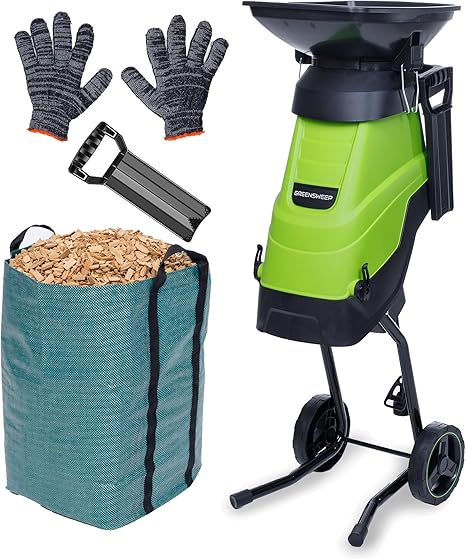
With an impressive 18:1 reduction ratio, bulky garden waste is transformed into handy chips and mulch in minutes — perfect for use around flowerbeds, borders, and pathways.
Garden Gloves (Durable Pair) – Protects hands during digging and soil mixing
These tools and accessories streamline the trench composting process, from collecting scraps to digging and mixing, so you can focus more on growing and less on prepping.

These heavy-duty gloves are made of 100% split cowhide leather and 100% cotton lining, which makes them highly abrasion-resistant, puncture-resistant, high-temperature-resistant, cut-resistant, highly flexible, and comfortable.
Trench Composting Is Garden Nutrition Made Easy
Trench composting is one of the simplest and most natural ways to recycle organic waste right in your vegetable garden.
Whether you’re short on space or just want a no-fuss method that works with plant roots, it’s a technique worth trying.
By combining this method with a few handy tools, you’ll turn kitchen waste into healthy soil benefit with minimal effort, and your vegetable garden will thank you with richer soil and more vigorous plants.