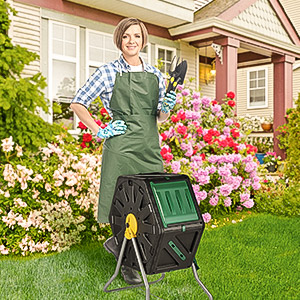
 Are you new to composting or just want to broaden your knowledge? Hopefully, you will get some answers in the composting FAQs in this article.
Composting can feel confusing when you’re just getting started—or even after you’ve been doing it for a while.
Gardeners often share the same questions about smells, speed, materials, and results.
Below are some of the most common composting FAQs, answered with practical, experience-based advice.
Table of Contents
What Can I Compost and What Should I Avoid?
Most kitchen scraps and yard waste can be composted safely.
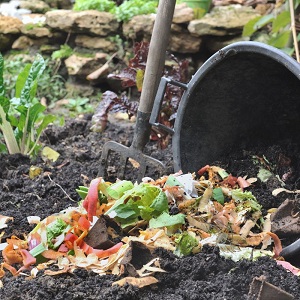
Fruit and vegetable peels, coffee grounds, eggshells, grass clippings, and dry leaves are all compost-friendly.
These materials break down well and feed beneficial microbes.
Avoid composting meat, dairy, oily foods, and large amounts of cooked leftovers, especially in backyard bins.
These items decompose slowly and often attract pests or cause odors.
Why Does My Compost Smell Bad?
A healthy compost pile should smell earthy, not rotten.
Strong odors usually mean too much moisture or too many “green” materials like food scraps.
Adding dry brown materials—such as shredded cardboard or leaves—helps restore balance.
Turning the pile regularly also improves airflow, which reduces odor-causing anaerobic conditions.
Many gardeners find that using a compost turning tool makes this step easier and more consistent.
How Long Does Compost Take to Break Down?
Composting timelines vary.
Hot composting can produce finished compost in a few months, while cold composting may take six months to a year or more.
Factors like temperature, moisture, material size, and how often you turn the pile all affect speed.
The key is patience. Compost doesn’t need to be fast to be effective—it just needs consistency.
Do I Need to Turn My Compost?
Turning compost isn’t mandatory, but it does help.
Turning introduces oxygen, redistributes moisture, and speeds up decomposition.
Gardeners who don’t turn their compost still get results, just more slowly.
If turning feels like a chore, enclosed systems like compost tumblers can simplify the process and reduce effort.
Can I Compost Year-Round?
Yes, composting can continue year-round, even in colder climates.
Decomposition slows in winter, but materials will continue breaking down once temperatures rise.
Many gardeners collect scraps indoors during winter and add them to outdoor bins when conditions improve.
Indoor options like worm composting also allow year-round composting regardless of the weather.
Helpful Amazon Products for Composting
Here are four Amazon product types gardeners often recommend to make composting easier and more successful:
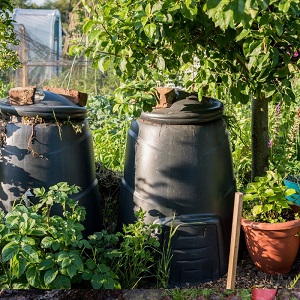
Outdoor Compost Bin – Holds organic waste while allowing airflow
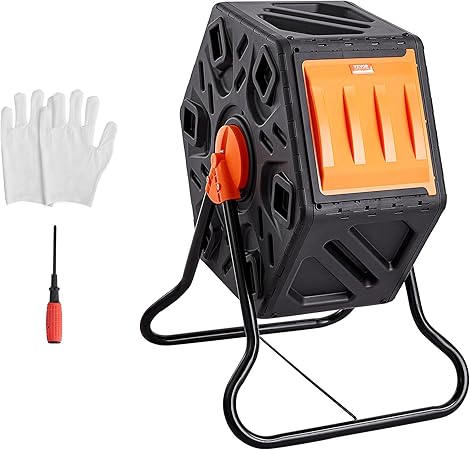
The 18.5-gallon capacity of the single-chamber compost bin is perfect for urban gardeners and those with limited space. The composter tumbler features a detachable sliding door with a large opening, making it effortless to add waste or remove compost. Available in 37 gallons.
Compost Turning Tool – Improves aeration without heavy lifting

This compost turner is crafted from sturdy steel with a free-spinning hardwood handle, allowing the user to aerate compost with ease and efficiency, and without strain.
Kitchen Compost Container – Collects food scraps indoors

Integrated strainer prevents wet, leaky trash from entering your kitchen, keeping your kitchen clean and odor-free. Features a stay-open lid, removable lid, and easy-carry handle for quick, mess-free emptying.
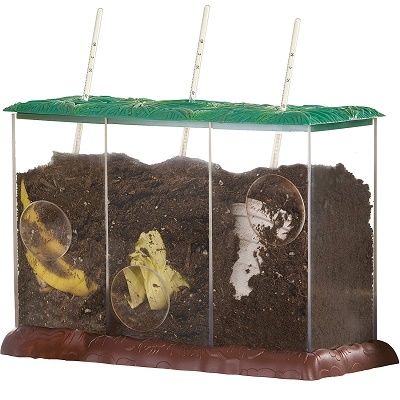
Compost Thermometer – Helps monitor internal pile activity
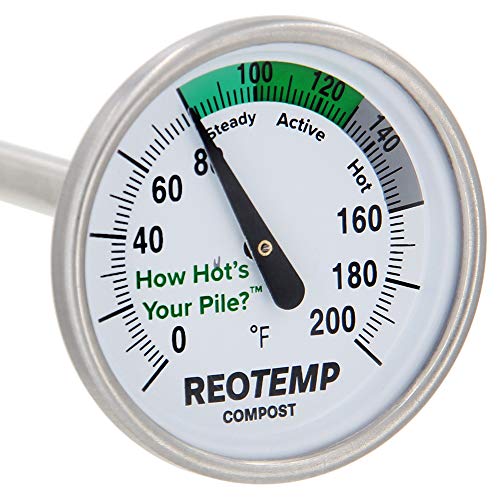
Expert instructions on how to get started composting and managing your compost pile for the most efficient compost production.
Composting Gets Easier With Experience
Most composting challenges come down to balance—greens and browns, moisture and airflow, patience and consistency.
As many gardeners will tell you, composting becomes easier the longer you do it.
With the right tools and a little trial and error, composting turns everyday waste into one of the most valuable resources your garden can have.