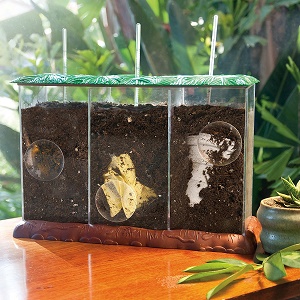
 Teaching kids about composting because it isn’t just for grown-ups! It’s a fantastic way to teach kids about nature, recycling, and where food waste goes.
With a hands-on approach, composting becomes a science lesson, a sustainability project, and a fun outdoor activity all rolled into one.
Kids absorb lessons through doing. Composting gives them real results to see, smell, and touch — from food scraps turning into soil enrichment to worms squiggling through the mix.
Here’s how to make composting accessible and exciting for young learners.
Table of Contents
Why Composting Is a Great Lesson for Kids
Composting helps kids understand systems and cycles: how food waste can be transformed into something useful, how decomposers like microbes and worms work, and how healthy soil feeds plants.
It’s a natural way to introduce biology, ecology, and environmental responsibility.
By involving kids in composting, you’re also teaching them about waste reduction and stewardship.
They start to see food scraps as valuable organic material rather than garbage.
Getting Started: Simple Composting at Home
To begin, choose a composting method suited for your space and your family.
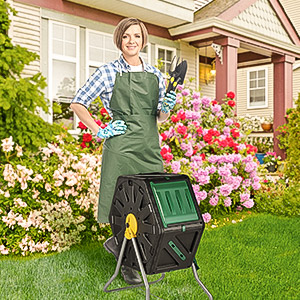
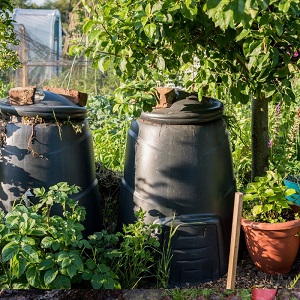
For backyards, an outdoor bin or tumbler is easy to maintain. In apartments or classrooms, small indoor composters or worm bins make lessons manageable.
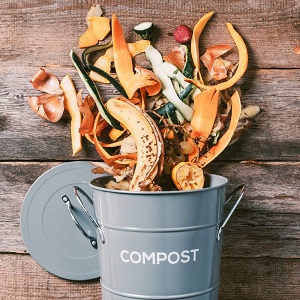
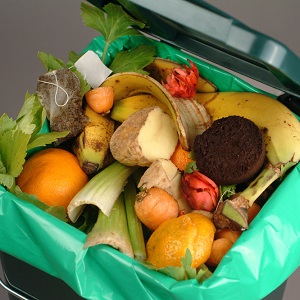
Start with a basic rule of thumb: “greens” (food scraps, coffee grounds, fruit peels) + “browns” (leaves, shredded paper, cardboard) = happy compost.
Let kids collect compostable scraps after meals or garden activities and add them to the bin.
Encourage questions like: “What do you think will happen next?” and “How does the pile change over time?”
Observations like color shifts, warmth, and soil smell help solidify learning.
Making It Fun: Activities and Learning Moments
Turn composting into a science experiment:
- Measure the pile’s temperature to explore heat and microbes.
- Draw before/after sketches of decomposing scraps.
- Count worms and learn about their role in soil health.
Connect composting with garden growth by using finished compost to feed plants. Kids will love planting seeds in soil enriched by their own efforts.
Five Amazon Products That Help Teach Kids About Composting
Here are five Amazon product types that make composting fun and educational for kids:
Kid-Friendly Compost Bin – A small, colorful bin designed for easy use and kid engagement

Featuring a fun, robot-like design with arms and legs, this bin isn't just a utility—it's a creative decor piece for your home or dorm.
Compost Thermometer – Helps observe temperature changes as compost breaks down
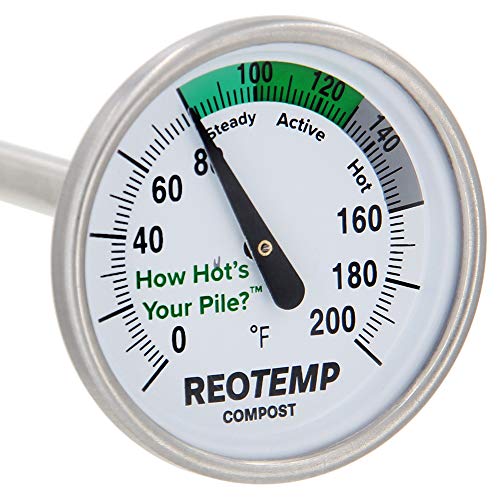
Expert instructions on how to get started composting and managing your compost pile for the most efficient compost production.
Worm Composting Kit – A hands-on way to learn about worms and decomposition

The lid is equipped with a breathable valve and features multiple 360-degree inlets to increase airflow and heat dissipation, maintain a hygienic, odor-free environment, and thereby improve composting efficiency.
Kids’ Gardening Gloves and Tools – Makes compost chores safe and fun
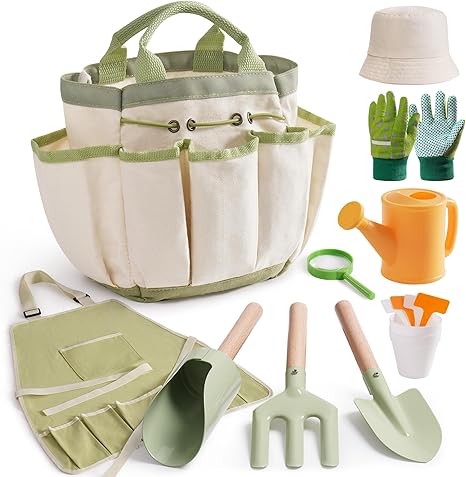
The 17-piece kid gardening set includes a shovel, a cylinder bucket, a fork, a tote bag, a gardening apron, a gardening hat, gardening gloves, a watering can, a magnifying glass, 2 potting buckets, 2 planting diary cards, and 4 plastic plant labels. A complete range of kids' gardening kits to keep your children entertained.
Educational Composting Container – Reinforces lessons with visuals and simple explanations

Kids can observe the entire decomposition process and even track temperature changes across three clear, separate, aerated compartments.
These tools help kids participate safely and make learning more interactive rather than passive.
Composting Teaches More Than Soil Science
Beyond science, composting encourages patience, observation, and respect for natural processes.
It’s a lesson in responsibility — feeding the compost, watching it change, and applying the results to a garden project.
Celebrating small wins (like the first scoop of finished compost) builds confidence and curiosity.
Composting also opens doors to broader conversations about sustainability, climate change, and how individual choices matter.