 Are you interested in learning which kitchen scraps you can compost and which you can’t?
Composting kitchen scraps is one of the easiest ways to reduce household waste and improve your garden soil.
However, not everything from your kitchen belongs in the compost bin.
Knowing what to compost and what to avoid helps prevent odors, pests, and slow decomposition.
Table of Contents
Kitchen Scraps You Can Compost Safely
Many everyday food scraps break down easily and add valuable nutrients to compost.
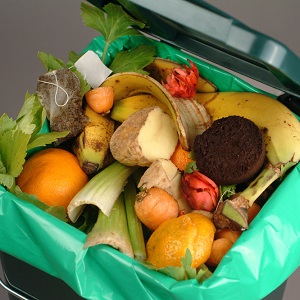
Fruit and vegetable peels, cores, and trimmings are staples for composting.
Coffee grounds and paper coffee filters are also compost-friendly and add nitrogen to the pile.
Eggshells can be composted as well, especially when crushed to help them break down faster.
Bread, rice, and plain grains can be composted in small amounts, though they should be buried well in the pile to avoid attracting pests.
Tea leaves and most paper tea bags are compostable, though it’s best to check that bags are plastic-free.
These materials decompose quickly and support healthy microbial activity.
Kitchen Scraps You Should Compost With Caution
Some scraps are compostable but require moderation.
Citrus peels, onions, and garlic can be added in small quantities, but too much may slow decomposition or discourage beneficial organisms.
Cooked foods without oils or sauces can be composted cautiously, but they should always be buried deep in the pile.
Chopping scraps into smaller pieces also helps them break down more efficiently.
Kitchen Scraps You Should Not Compost
Certain foods are best avoided in backyard compost bins.
Meat, fish, dairy products, greasy foods, and oils decompose slowly and often cause strong odors.
These items are more likely to attract rodents and insects, especially in open or low-heat compost systems.
Heavily processed foods, salty snacks, and foods with preservatives should also be avoided, as they don’t support healthy compost biology.
How to Store and Manage Kitchen Scraps
Proper storage makes composting easier and cleaner.
Collecting scraps in a sealed kitchen container prevents odors and fruit flies.
Regularly emptying and rinsing the container keeps things fresh.
Burying kitchen scraps in the center of the compost pile helps retain heat and speeds decomposition.
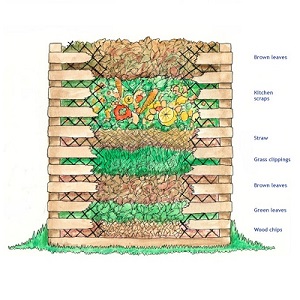
Balancing food scraps with dry “brown” materials like shredded paper or leaves is key to a healthy compost system.
Three Helpful Amazon Products for Kitchen Scrap Composting
Here are three Amazon product types that gardeners commonly use for managing kitchen scraps:
Kitchen Compost Container with Lid – Stores scraps neatly and controls odors indoors

This countertop compost bin for kitchen waste makes composting food scraps easier and more convenient. Sturdy, easy to clean, and lightweight, they feature a tight-sealing lid that helps keep odors in and bugs out. Available in four colors.
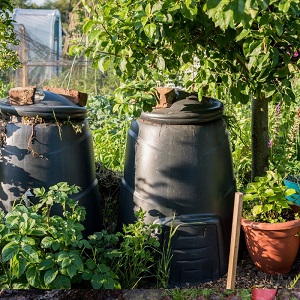
Outdoor Compost Bin – Holds kitchen waste while allowing airflow for decomposition
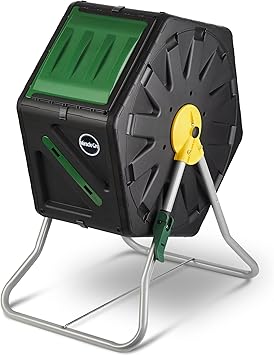
Achieve all of your garden goals with Miracle-Gro’s large 18.5-gallon (70 L) single-chamber rolling compost tumbler!
Compost Turning Tool – Helps mix scraps evenly and reduce smells.

This compost turner is crafted from sturdy steel with a free-spinning hardwood handle, allowing the user to aerate compost with ease and efficiency, and without strain.
Composting Kitchen Scraps the Right Way
When done correctly, composting kitchen scraps is simple and rewarding.
By composting the right materials, avoiding problem foods, and using a few helpful tools, you can turn everyday food waste into nutrient-rich compost.
Over time, this habit not only reduces trash but also builds healthier soil and a more sustainable garden.