 Are you interested in learning how to use compost in vegetable gardens?
Compost is one of the most valuable materials you can add to a vegetable garden.
Often called “black gold” by gardeners, compost improves soil health, feeds plants naturally, and helps create a thriving growing environment.
Whether you make your own compost or buy it ready-made, knowing how to apply it properly can dramatically improve vegetable growth and harvest yields.
Table of Contents
Why Compost Is So Beneficial for Vegetable Gardens
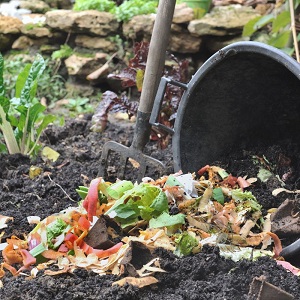
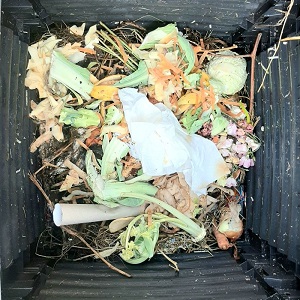
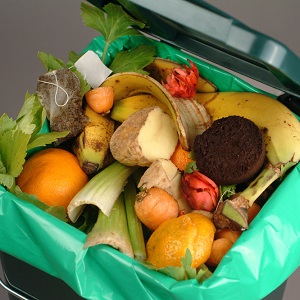
Compost is decomposed organic matter made from materials like food scraps, leaves, and yard waste.
When added to soil, it provides essential nutrients such as nitrogen, phosphorus, and potassium while also improving soil structure and moisture retention.
Another major benefit is how compost improves soil texture.
In heavy clay soils, it loosens compacted ground, while in sandy soil, it helps retain moisture and nutrients.
Because compost also supports beneficial microbes and soil organisms, it creates a healthier ecosystem for vegetable roots to grow and absorb nutrients efficiently.
Mixing Compost Into Garden Soil
One of the most common ways to use compost is to mix it into your garden beds before planting.
Spread about 2–3 inches of compost across the soil surface and work it into the top 6 inches using a shovel or garden fork.
This method enriches the soil and prepares it for planting vegetables such as tomatoes, lettuce, carrots, and peppers.
Mixing compost into soil at the start of the season also helps improve drainage and encourages strong root development.
Using Compost as a Top Dressing
Compost can also be applied as a top dressing around existing plants.
Simply spread a thin layer around the base of your vegetables and gently work it into the soil surface.
Rain and watering gradually move nutrients down into the soil, feeding plants slowly throughout the growing season.
Many gardeners apply compost this way once or twice a year to replenish nutrients and maintain soil fertility.
Compost as Mulch for Vegetable Beds
Another useful method is to use compost as mulch.
Spread a 2–4 inch layer around vegetable plants to help retain soil moisture, suppress weeds, and regulate soil temperature.
As the compost mulch breaks down, it continues to feed the soil and improve its organic matter content.
This approach works especially well for crops like tomatoes, squash, and cucumbers that benefit from consistent soil moisture.
Starting Seeds With Compost
Compost can also be mixed into potting soil when starting vegetable seeds or transplanting seedlings.
Blending compost with garden soil or potting mix improves nutrient availability and encourages healthy early growth.
Just avoid using pure compost alone for seedlings, as it can be too dense.
A balanced mix of soil, compost, and other organic materials works best.
Five Helpful Amazon Products for Using Compost
If you regularly apply compost to your vegetable garden, these tools can make the process easier:
Compost Spreader Roller – Evenly distributes compost across garden beds

This compost spreader is made of powder-coated steel, which is corrosion- and rust-proof, ensuring long-lasting use. It features a 24" steel basket, making it more time-saving and labor-saving than the traditional method, spreading your needed soil in no time.
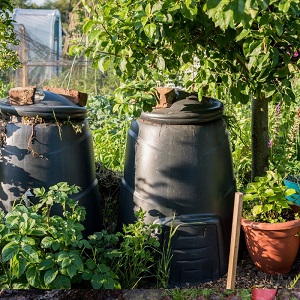
Dual-Chamber Compost Tumbler – Helps create compost faster at home

Stop struggling with that clunky, cumbersome, difficult-to-use outdoor compost bin! Miracle-Gro’s rotating compost bin is easy to use for everyone. This efficient tumbler system is simple to load and unload, producing perfectly cooked compost without digging, turning, or mixing by hand.
Garden Compost Bin – Stores and processes organic waste for homemade compost
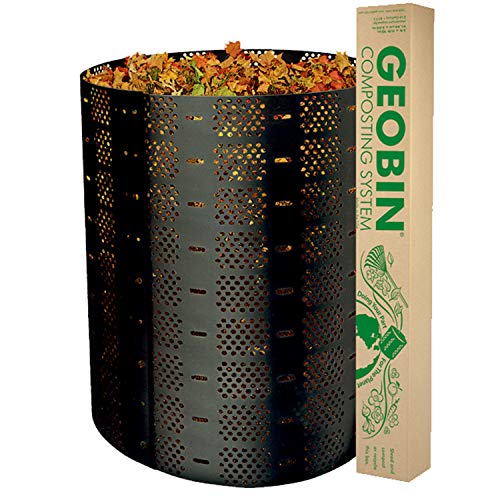
With the Geobin Composter, you’re ready to start in just a few simple steps. Learn how this composting system handles a wide range of organic material to give you rich compost faster. Available in black, tan and green colors.
Heavy-Duty Garden Fork – Ideal for mixing compost into soil
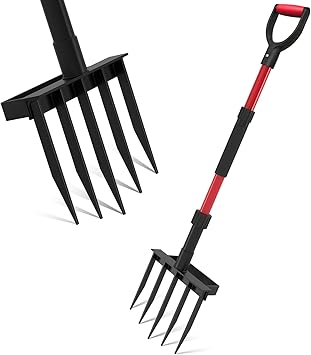
This heavy-duty gardening pitchfork is designed to easily dig through and cut through compacted soil. It features a tempered steel fork head and a fiberglass handle with a D-grip.
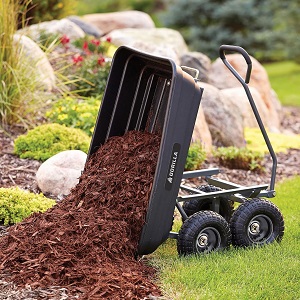
Garden Cart– Makes transporting compost around the garden easier

The utility pull wagon boasts a 4-cubic-foot hauling capacity, providing ample room for all your essentials and ensuring hassle-free transportation in your garden. Equipped with a solid poly bed that resists rust.
Turning Compost Into Better Harvests
Using compost regularly is one of the simplest ways to improve your vegetable garden naturally.
By mixing compost into soil, using it as mulch, or applying it as a top dressing, you provide plants with the nutrients and structure they need to grow strong and productive.
With consistent use and the right gardening tools, compost can transform ordinary soil into a fertile growing environment that produces healthier vegetables season after season.