In today’s kitchen, you will most often find a composter, but do you know how to use one?
Kitchen composters make reducing food waste easier than ever.
Whether you live in an apartment, condo, or house without a backyard, these compact appliances help turn everyday scraps into usable compost or soil amendments.
If you’re new to composting or just picked up a kitchen composter, this guide will walk you through using one effectively and getting the best results.
Table of Contents
What Is a Kitchen Composter?
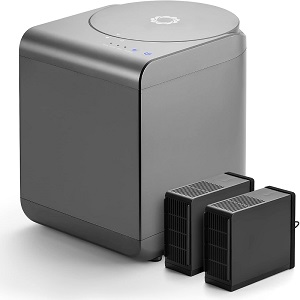
A kitchen composter is a countertop or under-sink appliance designed to process food scraps indoors.
Unlike traditional compost bins, many modern kitchen composters use grinding, heat, and airflow to break down waste quickly and with minimal odor.
Popular options include the Airthereal Revive Electric Kitchen Composter, Lomi Kitchen Composter, and FoodCycler Eco 5.
These units help reduce food waste volume and make composting accessible year-round.
Lomi Kitchen Countertop Compost Bin

Integrated strainer prevents wet, leaky trash from entering your kitchen, keeping your kitchen clean and odor-free. Features a stay-open lid, removable lid, and easy-carry handle for quick, mess-free emptying.
Need an upgrade? This Lomi Kitchen Composter offers a lot, but it is not cheap!

Food waste piles up fast, bringing odors and extra cleanup. This composter offers an effortless way to recycle with a spacious 3L bucket that transforms food scraps into nutrient-rich dirt in as little as 3 hours. No smell. Just cleaner counters and less trash.
Food Cycler FC-30 Compact Kitchen Food Recycler

The FoodCycler Eco 3 is a convenient, electric kitchen composter that eliminates food waste. Ideal for the busy home, the Eco 3 quietly grinds your food waste into plant food, reducing the amount of trash you take out.
Food Cycler Eco 5 Award-Winning Kitchen Food Recycler

Garbage never looked so good. Featuring an award-winning, efficient, and modern design, the Eco 5 is the good-looking, hi-tech food waste disposer of the future. The removable bucket can be placed close to your food prep area and moved around with you as you work.
Step 1: Know What You Can Compost
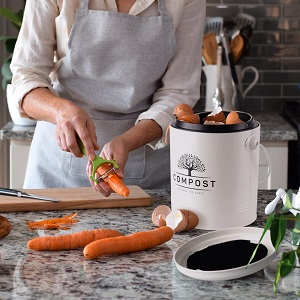
Most kitchen composters handle common food scraps well, including fruit and vegetable peels, coffee grounds and filters, bread and grains, eggshells, and small food leftovers.
Avoid large bones, excessive liquids, or non-food items unless allowed by your specific model.
Step 2: Load the Composter Correctly
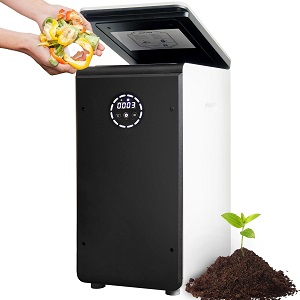
Open the lid and add food scraps without overfilling. Many electric models include a maximum fill line to ensure proper processing.
Cut large scraps into smaller pieces to improve efficiency and reduce strain on the machine.
Step 3: Run the Composting Cycle
Close the lid and select the appropriate cycle. Most electric composters complete a cycle in 4–8 hours.
Models like the Airthereal Revive are designed to be quiet and odor-controlled, making them suitable for daily use.
Step 4: Use the Finished Compost Material
Once complete, the output can be mixed into garden soil, added to potted plants, combined with an outdoor compost bin, or stored in an airtight container.
While not always fully cured compost, it improves soil texture and nutrients.
Step 5: Clean and Maintain Your Composter
Most units include a removable inner bucket for easy cleaning. Wipe the exterior weekly and replace charcoal filters as recommended.
FoodCycler FC-30E Video:
Making Composting a Daily Habit
Using a kitchen composter is an easy way to reduce household waste and support sustainable living.
With appliances like the Lomi Kitchen Composter or FoodCycler Eco 5, composting becomes a simple daily routine that benefits both your plants and the planet.