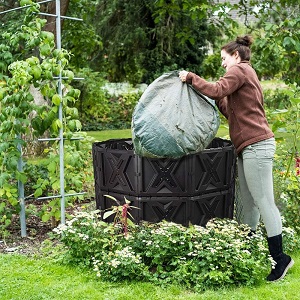
 It is important to know how to fix smelly compost. A smelly compost pile is one of the most common frustrations for home gardeners.
Instead of an earthy aroma, you might notice foul, rotten smells that attract flies or curious critters. The good news?
Smelly compost is usually a sign that something in the pile is out of balance, and with a few simple adjustments, you can eliminate odors and restore a healthy decomposition process.
Table of Contents
Why Does Compost Smell Bad?
Compost should smell like soil or a fresh forest floor.
Strong, unpleasant odors are usually caused by anaerobic conditions, which means the microbes breaking down the material don’t have enough oxygen.
Another cause is too much moisture combined with not enough “brown” (carbon) materials.
Common smelly scenarios include piles that are too wet, lacking airflow, or overloaded with kitchen scraps like meat or greasy foods.
Fortunately, these are easy to fix with the right tweaks.
Balance Greens and Browns
A healthy compost pile needs the right mix of “greens” and “browns.”
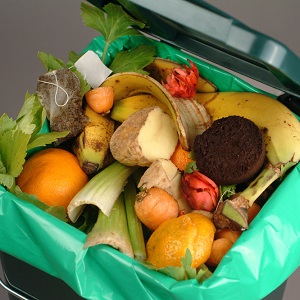
Greens include kitchen scraps and fresh grass clippings; they are rich in nitrogen.
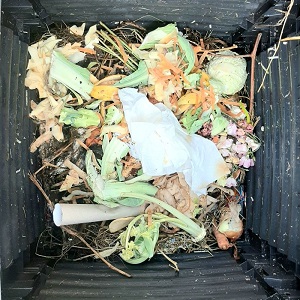
Browns like dry leaves, shredded paper, or straw add carbon and help absorb excess moisture.
If your compost smells bad, it often means there’s too much green material.
Add more brown materials in layers to absorb moisture and restore balance.
Think of compost like a recipe — getting the mix right prevents odors and speeds up breakdown.
Improve Airflow and Turn Regularly
Smelly compost usually means the pile isn’t getting enough oxygen.
Turning your compost introduces fresh air and helps prevent anaerobic conditions that can cause bad odors.
If your pile is compacted or soggy, turning it more often can make a huge difference.
Aerating tools help make turning easier and more effective, especially for larger piles.
Manage Moisture Levels
Too much water is a quick route to odor trouble. Compost should be damp, like a wrung-out sponge, but not soggy.
Covering your pile during heavy rain and adding dry browns when it feels too wet will help.
If your compost feels like mud, mix in shredded cardboard or straw to absorb excess moisture.
Avoid Problematic Add-Ins
Certain kitchen items should be avoided in open backyard compost bins.
Meat, dairy, oils, and greasy foods produce strong odors and attract pests when they break down.
Even plant-based oils can contribute to smell issues.
Stick with fruit and veggie scraps, coffee grounds, eggshells, and yard waste for a healthier pile.
Five Amazon Products to Help Fix Smelly Compost
Here are five Amazon product types that gardeners often use to prevent and fix odor issues in compost:
Compost Aerator Tool – Helps introduce air into dense piles

This compost turner is crafted from sturdy steel with a free-spinning hardwood handle, allowing the user to aerate compost with ease and efficiency, and without strain.
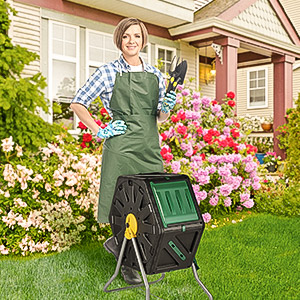
Large Outdoor Compost Bin with Ventilation – Improves airflow and reduces smell

The compost bin is made of high-quality, durable PP material that is environmentally safe and can withstand cold winters, making it perfect for gardens, farmland, and yards. The compost barrel has 12 vents on each side, which provide good air circulation for composting, greatly improving efficiency.
Bacterial Compost Accelerator – Enhances decomposition process for nutrient-rich compost

Effective in wide temperature ranges, ensuring consistent composting performance year-round.
Easy to use, simply sprinkle over the compost pile. Enhances decomposition for nutrient-rich compost.
Compost Thermometer – Monitors internal temps to spot anaerobic zones
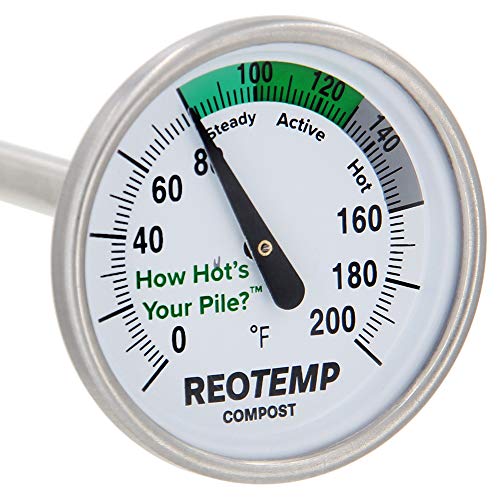
Expert instructions on how to get started composting and managing your compost pile for the most efficient compost production.
Compost Cover/Tarp – Keeps rain out and moisture balanced

This garden tarp is treated with a UV stabilizer to prevent long-term degradation from UV light. This coating also makes the tarp easy to clean.
Each of these products addresses a common odor cause — whether it’s poor airflow, too much moisture, or an imbalance of materials.
Final Tips for an Odor-Free Compost
Smelly compost doesn’t mean failure; it means your compost pile needs a tune-up.
By layering browns and greens, ensuring good airflow, managing moisture, and avoiding problematic scraps, you’ll quickly notice the difference.
With the right tools and a bit of regular attention, your compost will stay fresh, productive, and pleasant to be around.