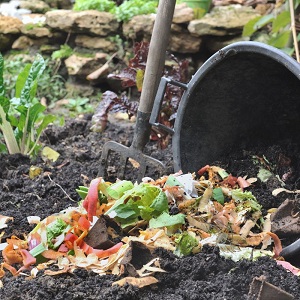
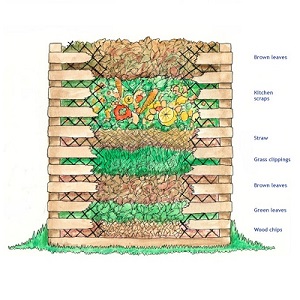
Healthy soil is the foundation of every thriving garden, and compost improves soil health and is an effective natural way to build it.
By recycling organic waste into nutrient-rich compost, gardeners can improve soil structure, fertility, and long-term resilience, without relying on synthetic fertilizers.
Table of Contents
Compost Adds Essential Nutrients to Soil
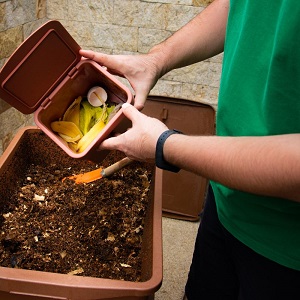 Compost improves soil health with a wide range of nutrients plants need to grow, including nitrogen, phosphorus, potassium, and trace minerals.
Unlike chemical fertilizers that deliver a quick nutrient hit, compost releases nutrients slowly over time.
This steady feeding supports healthier root systems and reduces the risk of nutrient burn.
Using a backyard compost bin or compost tumbler makes it easier to produce consistent, high-quality compost for garden beds, lawns, and containers.
Improved Soil Structure and Aeration
One of the biggest benefits of composting is that compost improves soil health.
In heavy clay soils, compost helps loosen compacted particles, allowing roots to spread more easily.
In sandy soils, compost increases water retention by binding loose particles together.
Better soil structure also improves aeration, which allows oxygen to reach plant roots and beneficial microorganisms.
Healthier airflow means stronger roots and more vigorous plant growth.
Struggling with Poor Soil? Try This EASY Fix! Video:
Compost Boosts Beneficial Microorganisms
Healthy soil is alive with bacteria, fungi, and other microorganisms that support plant health.
Compost introduces and feeds these beneficial organisms, helping create a balanced soil ecosystem.
These microbes break down organic matter, convert nutrients into plant-available forms, and even help protect plants from certain soil-borne diseases.
Gardeners interested in monitoring soil quality often use soil test kits or soil pH meters to observe how compost improves soil conditions over time.
Better Water Retention and Drainage
Compost improves the soil’s ability to manage water effectively.
It helps soil retain moisture during dry periods and improve drainage during heavy rain. This balanced moisture control reduces plant stress and lowers the risk of root rot.
Healthier water retention also means less frequent watering, making composting an eco-friendly choice for sustainable gardening.
Compost Reduces the Need for Chemical Inputs
By naturally improving soil fertility and structure, compost reduces the need for synthetic fertilizers and soil conditioners.
Over time, compost-amended soil becomes more self-sustaining, requiring fewer external inputs to remain productive.
Using tools like a compost spreader or garden rake helps distribute compost evenly across garden beds, ensuring consistent benefits throughout the soil.
Long-Term Soil Health and Sustainability
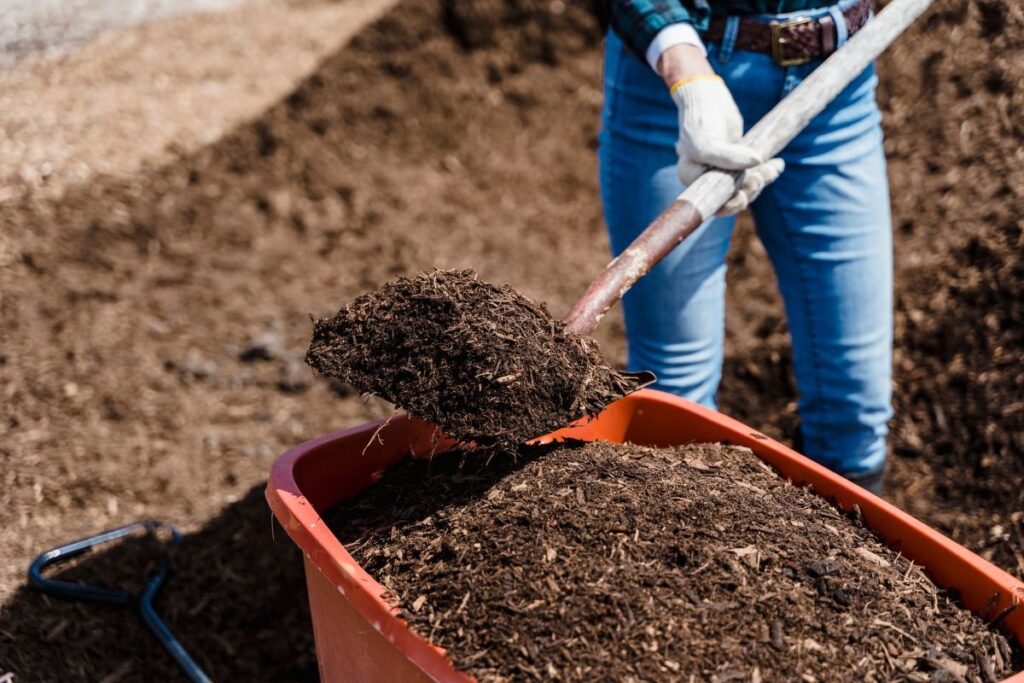
Unlike quick-fix solutions, compost builds soil health gradually and sustainably. Each application adds organic matter, which continues to improve the soil year after year.
This long-term approach supports stronger plants, higher yields, and more resilient gardens.
Whether you’re composting with a tumbler, a traditional bin, or collecting kitchen scraps in a countertop compost container, every bit of compost contributes to healthier soil naturally.
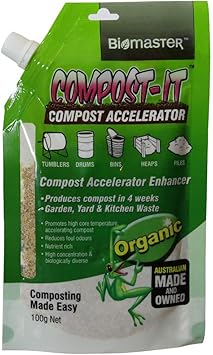
Starter and accelerator to create nutrient-rich compost in just 4 weeks. Suitable for all composting systems and worm farms. Reduces unpleasant and unhealthy odors, perfect for kitchen scrap bins.